
BUYER GUIDE
Pure sine vs modified sine wave inverter: which appliances need which?
Dealers in markets with daily power cuts are asked the same question every day: “Will this inverter run my fridge?” The first part of the answer is the waveform. This guide explains the difference in plain terms, so you can stock the right mix and advise your customers with confidence.
What the waveform means
Grid power is a smooth sine wave. A pure sine wave inverter recreates that smooth wave from battery power, so appliances see the same kind of power they get from the grid.
A modified sine wave inverter produces a stepped, square-like wave. It is simpler and cheaper to build, and it works well for many everyday loads, but some appliances run hotter, noisier or less efficiently on it, and a few will not run properly at all.
Loads that usually work on modified sine wave
For budget home backup, modified sine wave is a practical choice for:
- LED and CFL lighting
- Ceiling and pedestal fans (some fans may hum slightly)
- TVs, decoders and Wi-Fi routers
- Phone and laptop charging
- Simple resistive loads such as a soldering iron or small heater
Loads that need pure sine wave
Choose pure sine wave when your customer runs:
- Fridges and freezers (compressor motors)
- Water pumps and other induction motors
- Washing machines, microwave ovens and some kitchen appliances
- Medical devices, audio equipment and sensitive electronics
- Laser printers, some battery chargers and variable-speed tools
Why motors and compressors are different
Motors and compressors draw a large surge for a moment when they start, often several times their running power. On a modified sine wave they also run less efficiently and get warmer. That is why a fridge needs two things: a pure sine wave inverter, and one with enough peak (surge) power for the start-up.
Rated (continuous) power and peak power are different numbers. Our product pages list both separately, so you can compare them with the appliance’s running power and start-up surge.
How to advise your customers
Ask what they want to run during a power cut, not only “how many watts”. Lights, fans, TV and charging: a modified sine unit such as the JX-1200 (600 W rated) or JX-3000 (1500 VA rated) keeps the price down. Anything with a motor or compressor: move them to pure sine, such as the JX-1500 (800 VA rated, pure sine) or a pure sine inverter from 1000 W up.
If you are unsure, send us the appliance list and we will suggest a model. For a fridge or pump, include the label power and, if possible, the start-up current.
Stocking tip for dealers
Most dealers in load-shedding markets do best with two lines: an affordable modified sine range for basic home backup, and a pure sine range for customers with fridges, freezers and pumps. We make both, from 50 pcs per model, and can put your brand on them.
Models mentioned in this guide
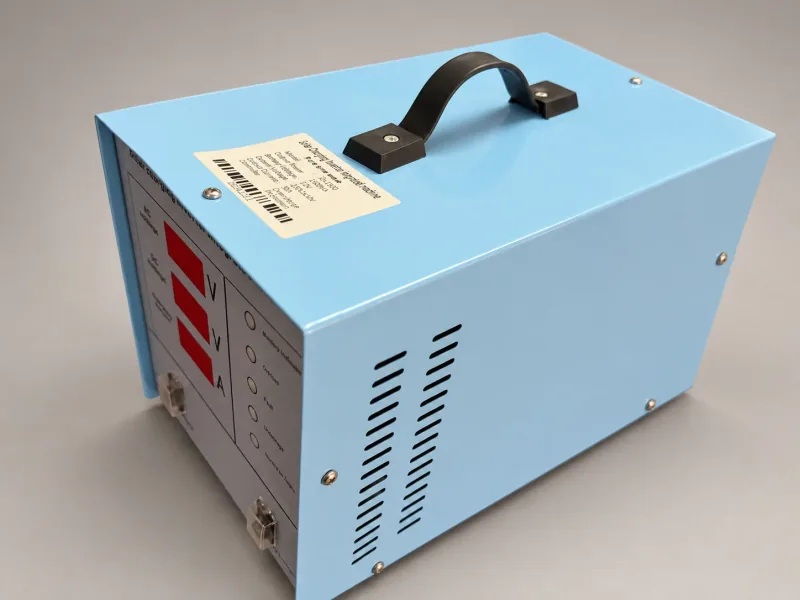 JX-1500
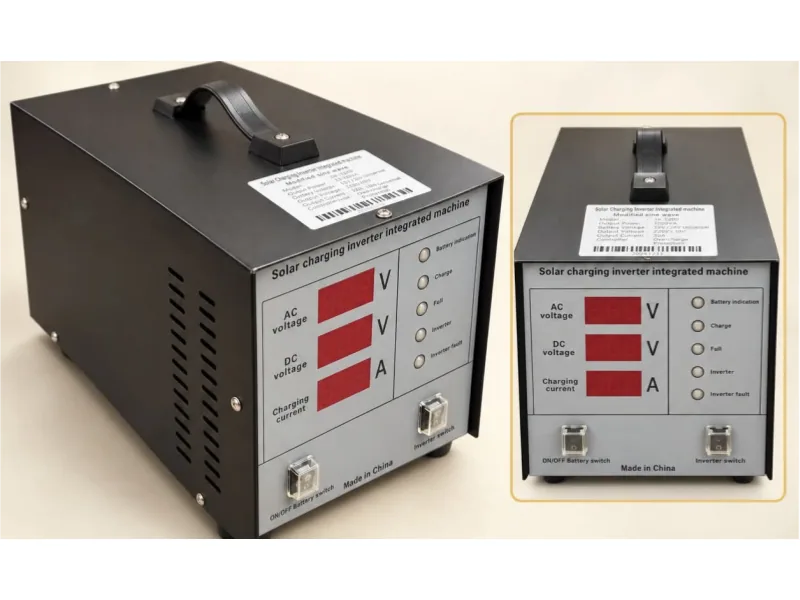 JX-1200
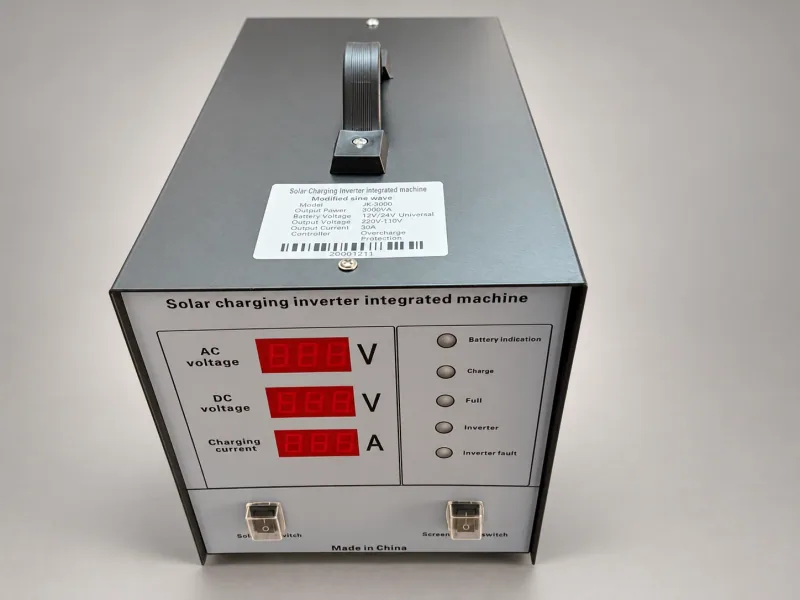 JX-3000
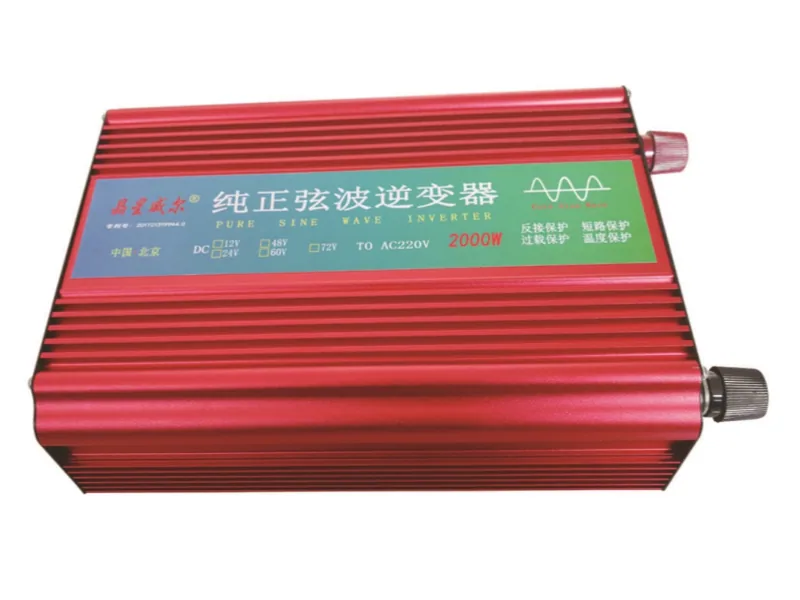 1000W Rated Power
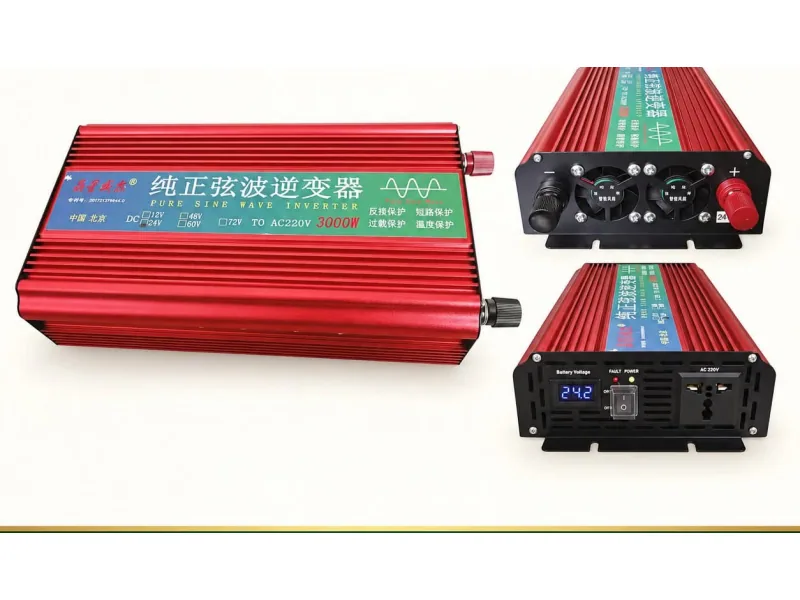 1500W Rated Power
More guides
What size inverter do you need for a fridge, freezer or water pump?