
BUYER GUIDE
What size inverter do you need for a fridge, freezer or water pump?
Fridges, freezers and pumps are the loads that cause the most returns and complaints when an inverter is undersized. Here is a simple sizing method you can use at the counter. The numbers below are examples only; always check the appliance label.
Step 1: Use pure sine wave
Compressors and pump motors should run on a pure sine wave inverter. On modified sine wave they run hotter and less efficiently, and some will not start reliably.
Step 2: Find the running power
Read the appliance label for watts (W), or volts × amps. Add every load that will run at the same time — for example the fridge plus lights, fans and a TV. This total should stay within the inverter’s rated (continuous) power, with some margin; many installers leave about 20–30%.
Step 3: Allow for the start-up surge
When a compressor or pump starts, it can draw several times its running power for a moment. A common rule of thumb is three to seven times, depending on the motor. The inverter’s peak (surge) power must cover this start-up, plus whatever else is already running.
Example: a fridge rated 150 W might need 600–1000 W for a second at start-up. If lights and a TV (120 W) are already on, look for an inverter whose peak power covers roughly 750–1150 W and whose rated power comfortably covers 270 W.
Step 4: Size the battery for the backup time
Energy used = running watts × hours. A fridge’s compressor does not run all the time; it cycles on and off, so its real daily use is lower than its label power × 24. The energy rating on the label (kWh per day or per year) is the best guide.
A simple estimate: battery watt-hours ≈ energy needed ÷ 0.8 for lead-acid depth of discharge and inverter losses (lithium batteries can be discharged deeper). Battery Ah = watt-hours ÷ battery voltage. Larger systems are easier to run at 24 V or 48 V, because the battery current is lower.
Step 5: Water pumps
Pumps often have the highest start-up surge of all household loads. Check the pump label for power and, if listed, the starting current, and choose an inverter with generous peak power. If you are unsure, send us the pump label.
Quick checklist
- Pure sine wave for any compressor or motor
- Rated power ≥ all loads running together, plus margin
- Peak power ≥ the largest start-up surge plus loads already running
- Battery sized from daily energy, not only from watts
- Higher battery voltage (24 V / 48 V) for larger systems
Let us suggest a model
Send us the appliance list, battery voltage and how many hours of backup your customers need. We will suggest a model from our range and send the datasheet. We supply dealers and importers from 50 pcs per model, with OEM under your brand.
Models mentioned in this guide
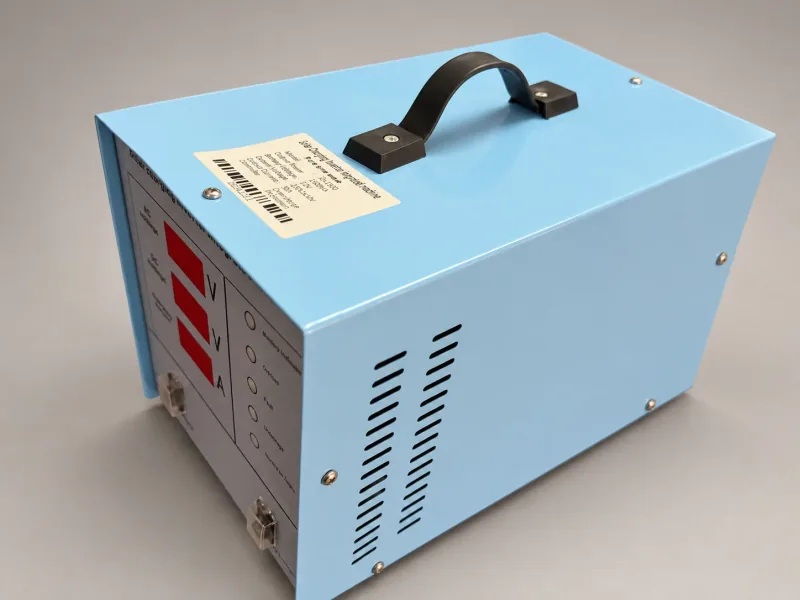 JX-1500
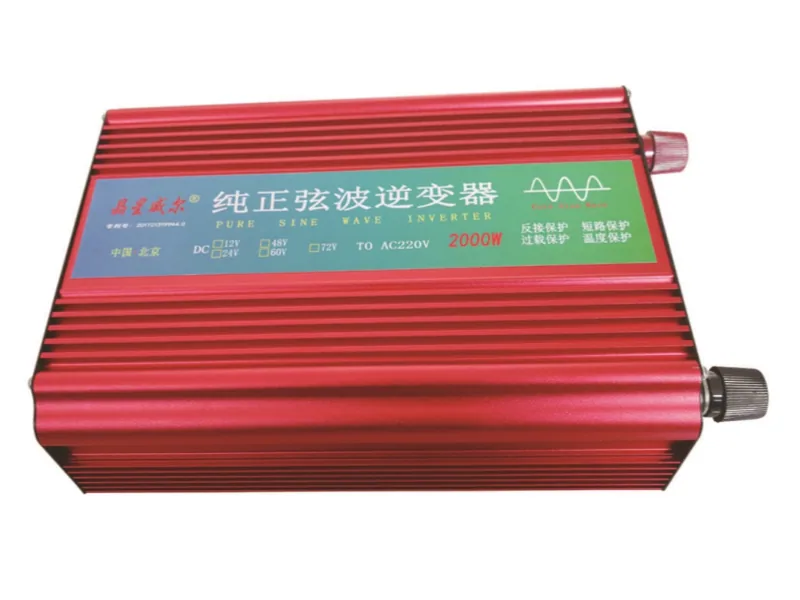 1000W Rated Power
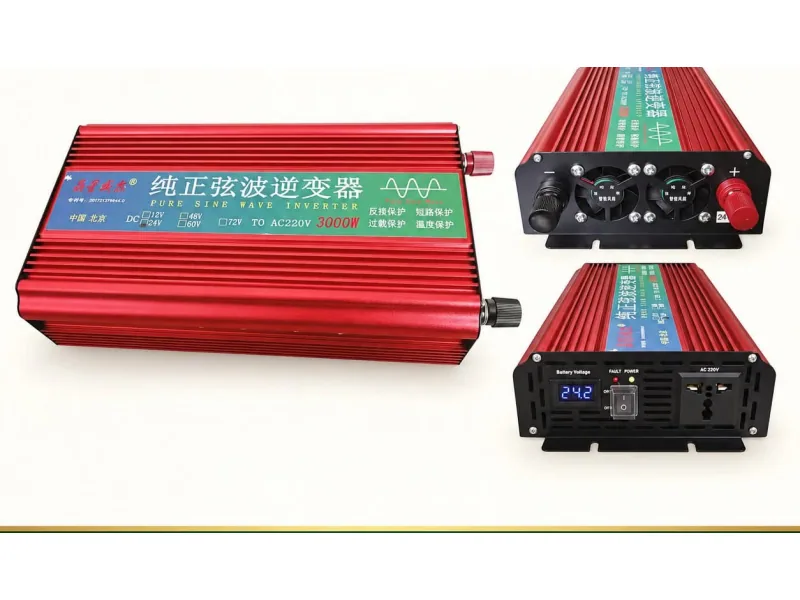 1500W Rated Power
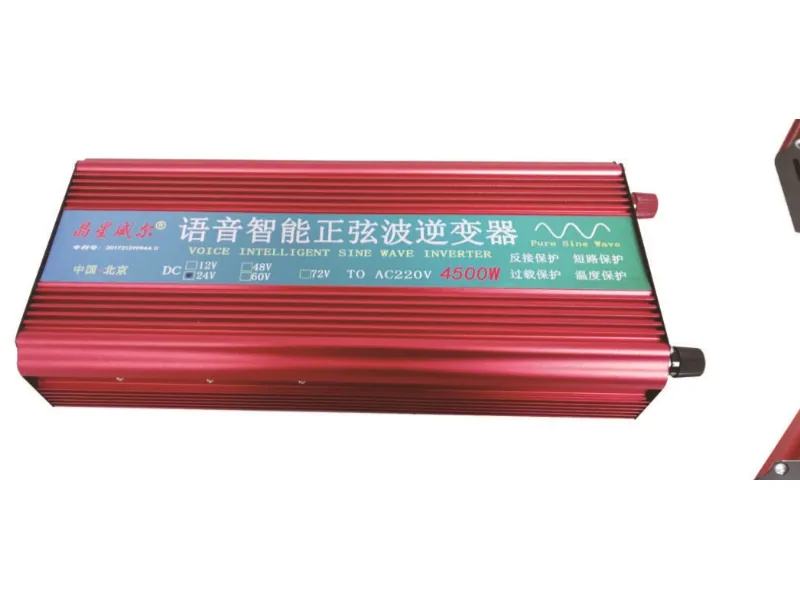 2000W Rated Power
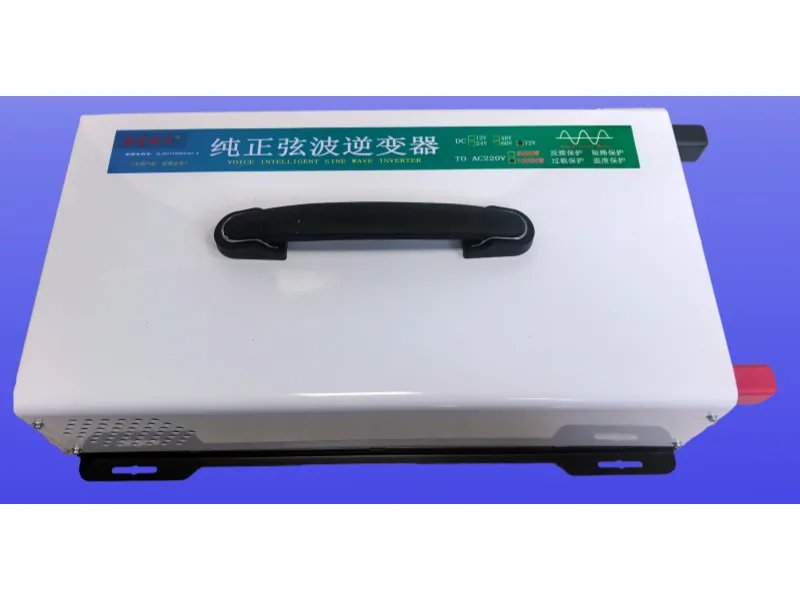 5000W Rated Power
More guides
Pure sine vs modified sine wave inverter: which appliances need which?